The Ultimate Nordic Wellness Trend
When I stumbled upon the concept of Scandinavian spas, I was pretty hopeful to find one in Ontario. I couldn’t believe how these Nordic-inspired retreats completely reimagine the classic spa day. They blend old Scandinavian traditions with Ontario’s natural backdrops, creating an experience that’s so much more than your average soak or massage. I really mean it, you probably have no idea what I’m talking about… So, keep reading, yes yes, do it!
These spas take hydrotherapy to another level, guiding you through cycles of hot, cold, and rest. The idea is to boost your immune system, flush out toxins, and ease those stubborn aches and pains.
Most of these Scandinavian spas ask you to ditch your phone and embrace real silence. That digital detox and quiet are honestly half the magic.
Let’s dig into what really makes Nordic escapes special, like the ones offered by Mallorytown’s Nature’s Elements Wellness, check out some of the top spots, and figure out how to get the most out of your visit.
What Defines a Scandinavian Spa Experience

At the core, the Scandinavian spa experience is all about cycling through hot and cold, then chilling out in between. It’s a tradition that mixes hydrotherapy, strict silence, and a break from screens to help you unwind deeply.
Key Principles of Nordic Spa Culture
Nordic spa culture really boils down to three things: temperature contrast, silence, and unplugging. First, I move between steamy heat and bracing cold in repeated cycles.
Silence is huge. Most spas keep things quiet so you can actually hear yourself think.
And then, there’s the digital detox. Phones stay locked away, which is oddly freeing once you get used to it.
These three pillars work together to create what some call “forest bathing.” It basically forces your mind to slow down and reset.
Instead of just pampering, Nordic spas push for real change through controlled stress. The hot-cold cycles test your body, while the peaceful setting calms your mind.
This all started back in Finland and Sweden, where folks have been hitting saunas and then plunging into icy water for ages.
Contrast Hydrotherapy Methods
The classic thermal journey follows three stages, which I repeat a few times per visit. First up: heat, usually in a dry sauna at 160-200°F or a steam room at 110-120°F.
Next, I plunge into cold water—think 50-60°F pools or a quick blast under a Nordic waterfall.
Heat Phase Duration: 10-15 minutes
Cold Phase Duration: 30 seconds to 2 minutes
Rest Phase Duration: 10-20 minutes
Then comes the rest, usually in a quiet area with heated loungers or outside in the fresh air. This is when my heart rate settles before I start again.
Contrast hydrotherapy gets your blood pumping by opening and closing blood vessels. Heat makes circulation expand, cold makes it contract, and together they create a natural pumping effect.
Most people manage two or three full rounds in a session. Each time, the effects get a bit stronger as your body adapts.
Relaxation and Well-Being Benefits
These hot-cold cycles can seriously improve your sleep. The temperature swings help regulate natural rhythms.
Circulation jumps up during each round, sending more oxygen and nutrients where they’re needed. It also helps clear out waste that builds up from stress.
Mentally, it knocks down cortisol and boosts endorphins. The cold part, weirdly enough, kicks up norepinephrine, which helps with focus and memory.
Your immune system gets a workout too. Regular exposure to this kind of stress increases white blood cell activity, making it easier to fight off bugs.
If you’re sore from a workout, the alternating heat and cold can really speed up recovery. Heat loosens things up, cold keeps swelling down.
I always notice that the benefits stick around for days—better mood, less stress, and a clearer head.
Signature Features and Facilities
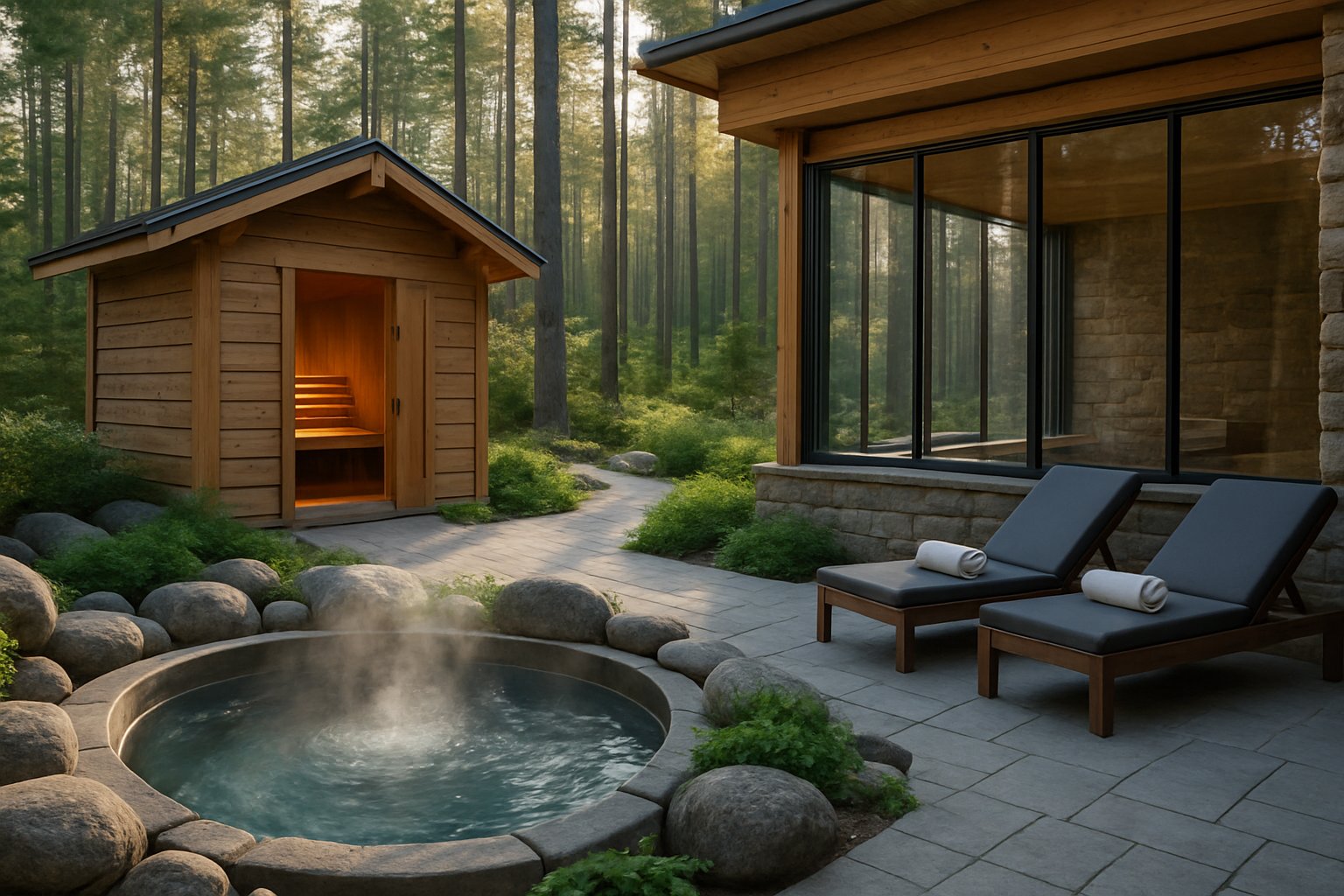
Ontario’s Nordic spas blend old-school Scandinavian wellness with modern touches. You’ll find specialty saunas, steam rooms, temperature-contrasting pools, and plenty of spots to just breathe and relax.
Saunas and Traditional Heat Rooms
A real Nordic spa needs a proper sauna. These dry heat rooms usually sit between 160°F and 200°F with low humidity.
Finnish-style saunas use stoves with volcanic rocks. When I toss water on the rocks, it creates a burst of steam—called löyly—that makes the heat feel even more intense.
Infrared saunas are a milder option, heating you up directly at 120°F to 140°F. It’s a bit more comfortable for longer stays.
Wood-fired saunas are the most traditional, and honestly, the smell and crackle of burning wood add a lot. Many spas in Ontario offer several sauna types.
You’ll find both indoor and outdoor saunas at most places. Stepping from a hot sauna right into snowy air? That’s a rush you won’t forget.
Steam Rooms and Steam Baths
Steam rooms crank up the humidity to 100%, but keep things a bit cooler—usually 110°F to 120°F. The moist heat opens up pores and feels easier on the lungs.
Eucalyptus-infused steam rooms are a favorite. The scent clears your head and adds a little aromatherapy to the mix.
Some spots have Turkish-style steam baths with heated marble or tile. Lying on warm stone while steam swirls around you is a different kind of cozy.
A few places even carve steam caves into faux rock to mimic a natural hot spring. It’s a cool vibe and traps the steam nicely.
Benches come in different heights so you can pick how intense you want your steam session.
Outdoor and Indoor Pools
Cold plunge pools stay chilly all year—between 50°F and 60°F. They’re key for the hot-cold cycle and jolt your system awake.
Hot spring pools usually sit at 98°F to 104°F. Some places use natural spring water, others add minerals to get the same effect.
Whirlpools blend warm water with jets for a muscle-melting massage.
Outdoor pools are open even in winter. There’s something wild about soaking in hot water with snow falling around you.
Nordic waterfalls aren’t just pretty—they offer a natural massage and add negative ions to the air. Some people swear this lifts their mood.
Relaxation Areas and Fire Pits
Fire pits are the heart of many outdoor spaces. The warmth keeps you comfortable between cycles, and the circle seating is perfect for a quiet chat.
Heated outdoor loungers mean you can relax outside, even when it’s freezing. Some even let you adjust the temperature.
Meditation gardens offer a spot for reflection. Usually, they’re tucked away with comfy chairs and lots of greenery.
Solariums let you soak up sunlight indoors. Big windows bring in the light but keep out the wind and cold.
Most spas have quiet zones where talking is discouraged. These spots help keep the peaceful vibe alive.
Wellness Activities and Enhancements
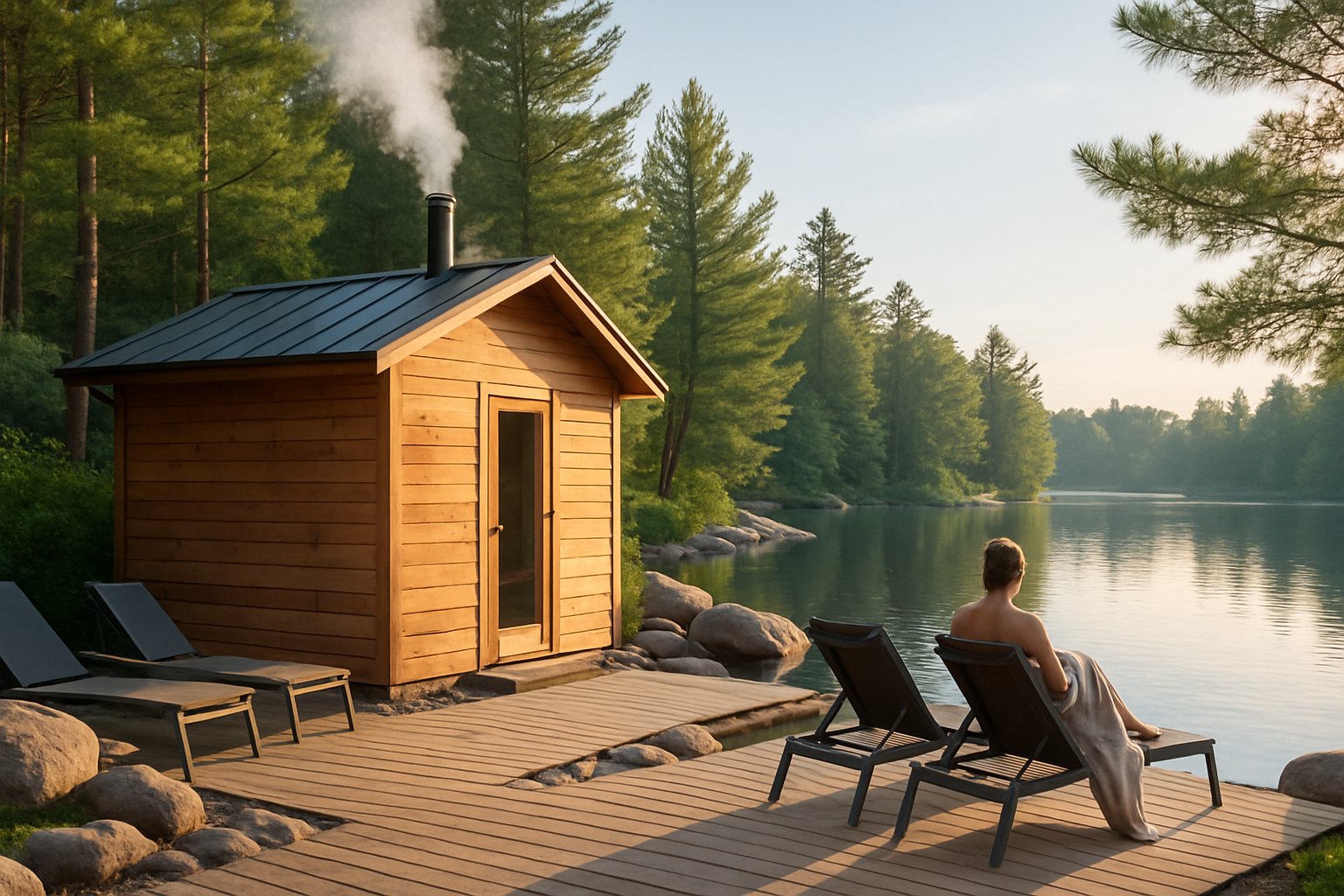
Scandinavian spas in Ontario don’t just stick to thermal circuits—they also offer wellness classes and outdoor spaces. These extras turn a regular spa day into a full-on wellness retreat.
Wellness Classes and Mindful Practices
Many Nordic spas provide guided sessions to help new visitors get the hang of hot-cold therapy cycles. For example, Nature’s Elements Wellness is perfect for guests aiming to get the most from their visit by adding yoga classes and other retreat type experiences.
Meditation classes take place in quiet forest spots or special relaxation zones. These sessions usually last 30-45 minutes and focus on breathing techniques that fit the spa’s natural setting.
Yoga classes run both indoors and outside on decks with scenic views. Mornings work well before thermal treatments, while evenings help you wind down.
Some spas add wellness workshops covering stress management. These might include mindful breathing and body awareness practices you can take home.
Outdoor Leisure and Relaxation Spaces
Scandinavian spas set up several outdoor relaxation areas for different comfort levels. Heated loungers and fire pits make cozy gathering spots in winter.
Reading nooks with sheltered seating let guests enjoy books between treatments. These quiet spots support digital detox and offer a peaceful escape.
Some spas have cottages with private outdoor spaces, personal hot tubs, and relaxation decks. These are great for couples or small groups who want a more exclusive experience.
Walking trails connect thermal stations and offer gentle exercise. These paths wind through natural landscapes, letting guests move between areas at their own pace.
Planning Your Visit to a Scandinavian Spa
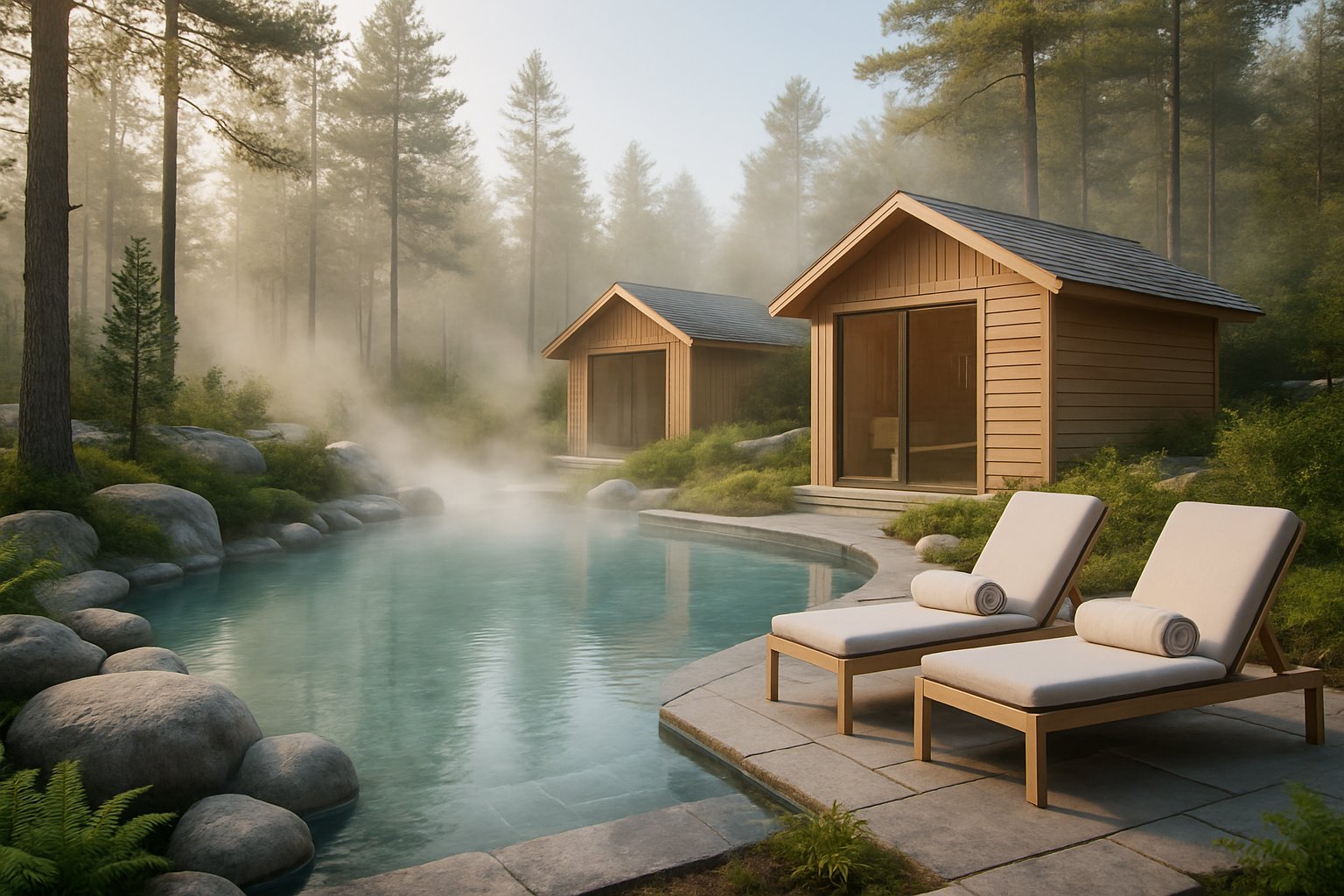
A successful spa visit takes a bit of planning. Reserving ahead, picking the right location, and knowing what to expect from the thermal journey all make a big difference.
Choosing the Ideal Spa Destination
Research spa locations based on your relaxation goals and how easy they are to reach.
Think about the season when booking. Winter brings crisp air that really boosts the hot-cold cycle, while summer and fall mean you can enjoy forest trails for hiking or cycling.
Look out for special offers like Black Friday deals that might save you up to 35% on gift cards. Overnight packages often bundle weekday spa access with accommodations.
Check for amenities that matter to you—certified massage therapists, multiple thermal pools, and quiet relaxation areas. Digital detox policies help keep things peaceful and phone-free.
Tips for Maximizing Your Experience
Book your spot early to get your preferred time. Popular spas fill up fast, especially on weekends and holidays.
Arrive early so you have time to check in and settle down. That extra buffer helps you shift into relaxation mode before starting the thermal journey.
Bring as little as possible to avoid locker hassles. Most spas give you robes, towels, and sandals. I’d only pack essentials like water and a hair tie.
Follow the three-stage thermal cycle: hot pools, cold plunges, then relaxation. Each stage should last 10-15 minutes for the best results.
Stay hydrated—hot and cold cycles mean your body needs more fluids.
If you want a massage, book ahead. I think it’s best to schedule massages after a few thermal cycles, once your muscles are warmed up.
What to Expect During Your Stay
Your thermal journey starts with hot spots like saunas, steam rooms, or heated pools. These raise your core temperature and prep your body for the cold phase.
Next come the cold plunges. Water temperatures hover around 50-60°F—shocking at first, but you get used to it. This stage boosts circulation and releases endorphins.
Relaxation periods between cycles are key for well-being. Quiet zones with comfy seating work great for meditation or a bit of stretching.
Most spas ask guests to keep quiet in thermal areas. Whispering is usually fine, but loud talking isn’t.
Plan to spend 2-4 hours for a full experience. That gives you time for several cycles and rest breaks.
Facilities usually have changing rooms, lockers, and showers. Some places also offer healthy food or herbal teas to round out your visit.
Frequently Asked Questions
People often have questions about treatments, preparation, age limits, safety, nearby accommodations, and what makes these spas different from regular wellness spots.
What are the signature treatments offered at Scandinavian spas in Ontario?
Scandinavian spas in Ontario focus on the traditional Nordic cycle—hot saunas, cold plunge pools, and relaxation spaces. Each stage usually lasts 15-20 minutes.
Finnish saunas reach 80-90°C. Steam rooms are cooler but more humid. Cold pools stay around 10-15°C all year.
Many spas offer guided Nordic experiences for beginners. These sessions show you how to get the most out of the cycle.
Some places have forest bathing trails and outdoor meditation areas. Hot stone and aromatherapy treatments often round out the main experience.
How do I prepare for my first visit to a Scandinavian spa in Ontario?
Book ahead, especially during busy seasons. Most spas require reservations and limit daily guests. Arrive 15-30 minutes early.
Bring a swimsuit, flip-flops, and a water bottle. Most provide towels and robes, but double-check before you go. Leave jewelry and valuables at home or in your locker.
Eat light 2-3 hours before your visit. Skip alcohol and heavy meals. Drink water before and during your spa time.
Plan to spend 2-4 hours at the spa. That gives you enough time for several thermal cycles and breaks.
Are there any age restrictions for accessing spa facilities in Ontario’s Scandinavian spas?
Most Scandinavian spas in Ontario require guests to be at least 16. Some set the minimum at 18. Kids under these ages can’t use the thermal areas.
A few spas have family days or special hours for children with parents. These usually happen once or twice a month and use milder temperatures.
Supervision rules differ by spa. Some require anyone under 18 to have a parent with them at all times. Others allow minors more freedom if they’re accompanied.
Call ahead to check the latest age policies or family events. These can change by season or event.
Can you outline the health and safety protocols typically followed at Scandinavian spas in Ontario?
All Scandinavian spas use strict water quality standards, with regular testing and filtration. Staff check sauna, steam room, and pool temperatures throughout the day.
Guests must shower before entering thermal areas. This keeps water clean by removing lotions and perfumes. Glass containers aren’t allowed, and proper swimwear is a must.
Emergency protocols include trained staff and first aid stations. Many spas have nurses or lifeguards during busy hours. Signs show the max capacity for each area.
Pregnant women and people with certain health issues should check with their doctor before visiting. Heart conditions, high blood pressure, and some medications don’t mix well with extreme temperature changes.
What types of accommodations are available near Scandinavian spas in Ontario?
Hotels and resorts near major spas often offer packages with spa access. These deals might include overnight stays, treatment credits, or dining.
Bed and breakfasts provide a cozier stay, sometimes with locally sourced meals and personal service.
Vacation rentals—cabins, cottages, condos—work well for groups or families wanting more space and kitchens.
Some spas work with nearby hotels for shuttle services. Others give detailed directions and parking info for day guests.
What are the differences between traditional spas and Scandinavian spas in Ontario?
Traditional spas focus on individual treatments like massages, facials, and body wraps. These usually happen in private rooms.
Scandinavian spas, on the other hand, center around communal thermal experiences. They often use outdoor settings surrounded by natural scenery.
The Nordic approach leans into sharp temperature contrasts as the main therapeutic method. Traditional spas put more emphasis on skilled practitioners and hands-on treatments with specialized products.
Scandinavian facilities stay open all year and feature outdoor pools and saunas. Weather isn’t just tolerated—it’s part of the whole experience. Traditional spas stick with steady indoor climates.
Dress codes? They’re pretty different. Scandinavian spas require swimwear everywhere, while traditional spas usually offer disposable undergarments or sometimes allow nudity during treatments.
You’ll probably spend more time at a Scandinavian spa. Traditional spa visits last one to three hours, focused on set appointments. The Scandinavian experience works best if you give yourself three to five hours to go through multiple thermal cycles.